
Emergency Preparedness for Seniors: A 2026 Guide to Power Outages, Storms, and Staying Safe at Home
Emergency preparedness for seniors: what to pack in an emergency kit, how to plan for a power outage, and the medical-device backup most families miss.
ElderHearth offers general information, not medical advice. In a life-threatening emergency, call 911. Ask your parent's doctor and pharmacist about backup plans for their specific medications and devices.
A storm, a heat wave, a winter cold snap, or a simple power outage is an inconvenience for most people. For an older adult living at home, especially one who depends on medication or a medical device, it can become an emergency fast. Emergency preparedness for seniors is not about fear. It is about doing a few simple things now, on a calm afternoon, so that a bad night does not turn into a crisis. This is a practical guide for families: what belongs in your parent's kit, how to plan for a power outage and the equipment that runs on electricity, and how to decide whether to stay home or leave.
Why does emergency preparedness for seniors matter more?
The same things that make aging in place wonderful can make an emergency harder, which is why good disaster preparedness for older adults looks a little different. A few reasons older adults are more vulnerable when the power fails or a storm hits:
- Medical equipment that runs on electricity. Research on older adults in aging-services programs found that about 37% rely on a household medical device that needs power (oxygen concentrators, CPAP machines, infusion pumps, power wheelchairs, and refrigerated medicines). When the electricity stops, so do they.
- Medications that cannot be missed. A short supply, a refrigerated drug, or a treatment like dialysis turns a two-day outage into a health risk.
- Mobility and speed. Evacuating quickly, navigating debris, or managing stairs in the dark is harder, and falls go up.
- Living alone. A parent on their own may have no one to notice they are in trouble, which is why a support network (below) matters as much as any supply.
The good news: each of these has a simple plan behind it, and you can put them in place this week.
What should be in an emergency kit for seniors?
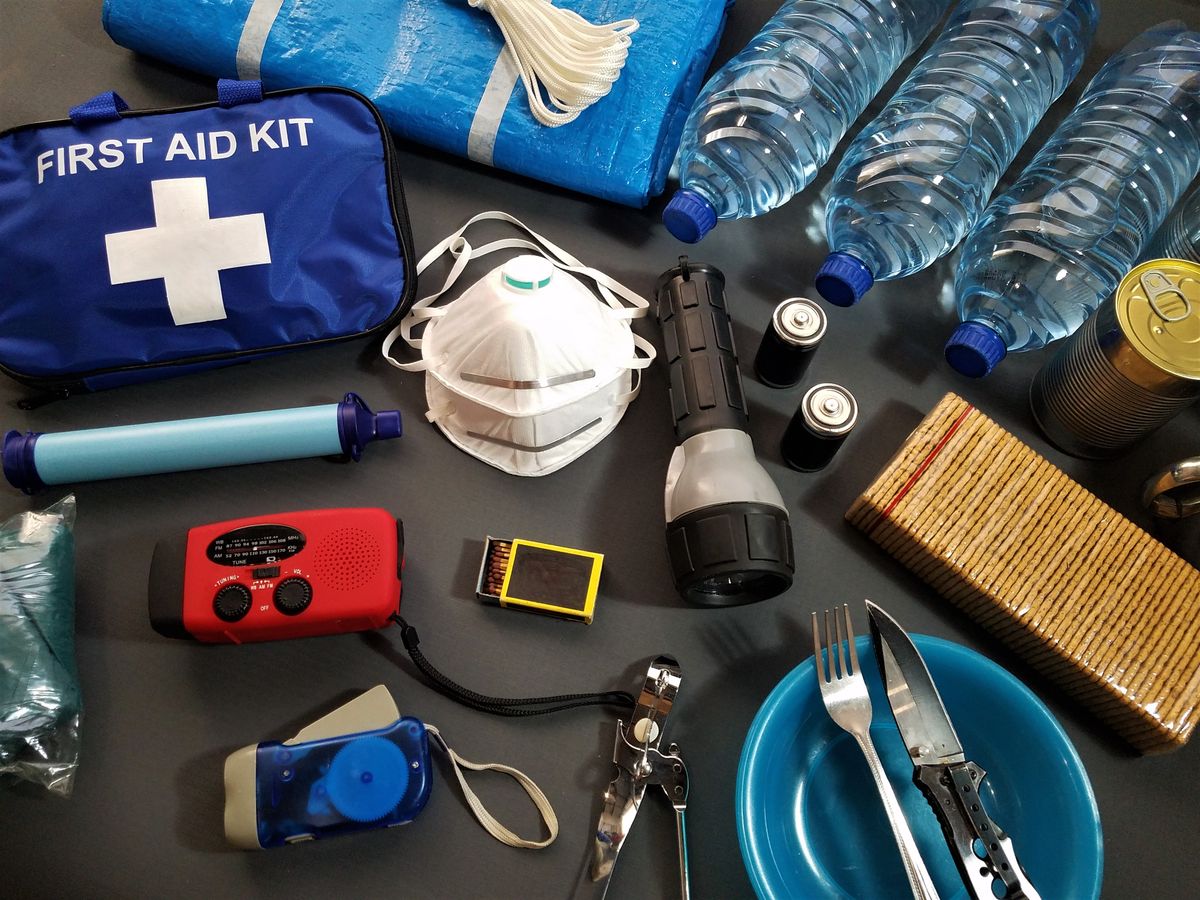
The National Institute on Aging recommends keeping a kit with enough to get through three to seven days, whether you shelter in place or evacuate. Start with the basics everyone needs, then add the older-adult essentials most lists forget.
The basics:
- Water: one gallon per person per day, for at least three days.
- Food: a three to seven day supply that needs no cooking or refrigeration.
- Flashlight and a battery or hand-crank radio, plus extra batteries.
- First-aid kit, and a whistle to signal for help.
- Phone chargers and a backup battery pack.
The older-adult essentials (the part that matters most):
- A seven-day supply of every medication, in their original bottles, plus a written list of all medicines, doses, and the prescribing doctors.
- Spare hearing-aid batteries, glasses, and any mobility aids (a cane, a folding walker).
- Medical and insurance cards, a list of conditions and allergies, and emergency contacts on paper, not just a phone.
- A few comfort items: a favorite blanket, snacks, and high-nutrient drinks, which the NIA specifically suggests for older adults.
- Cash, since ATMs and card readers fail in an outage.
Keep the kit somewhere your parent can reach it easily, and check it twice a year so the food, water, and medications stay current.
Emergency preparedness for seniors who rely on medical equipment
Powered medical equipment is what turns an outage into a danger, and it is what most families have never planned for. If your parent uses any device that runs on electricity, a power outage plan for elderly parents has to start with the device itself. Building this medical equipment power outage backup before the season's first storm is the step most families skip.
- Tell the utility company now. Let your parent's electric provider know they rely on home medical equipment. Many keep a medical priority list: it can give advance notice of planned outages and may move your parent up the line for power restoration. Ask specifically about their "medical baseline" or "life-support" program, and complete any certification form the utility requires.
- Have backup power ready. Many CPAP machines have battery packs, and portable oxygen concentrators can use extra batteries and a car charger. Ask the equipment supplier what backup options exist for your parent's specific device, and how long each one lasts.
- Make a refrigerated-medicine plan. For drugs that need to stay cold, like insulin, keep a cooler and ice packs ready, keep the refrigerator closed during an outage, and ask the pharmacist how long the specific medication stays safe without power. The NIA also suggests asking the doctor whether a non-refrigerated substitute exists for emergencies.
- Plan for treatments you cannot do at home. For dialysis or oxygen, ask the doctor and clinic about backup locations in advance, so you are not searching during the disaster.
A power outage is also the moment a medical alert system earns its keep, as long as it has a charged backup battery, so your parent can still call for help if the lights and the landline go down.
Should an older parent shelter in place or evacuate?
When officials issue an evacuation order, leave. The harder calls are the optional ones. If evacuation is not mandatory, the NIA advises being realistic about your parent's mobility, how much help they would need, and their comfort and safety level, then deciding from there.
- Lean toward leaving if your parent depends on power for a medical device, has limited mobility, or lives somewhere prone to flooding or long outages.
- Sheltering in place can be fine for a short, predictable event when the home is safe, the kit is stocked, and someone can check in.
- Decide and pack early. If you may leave, have the kit, medications, and a "go bag" ready by the door, and know where you would go. Trying to gather a week of medicine in the dark is how things get left behind.
Heat is its own kind of emergency for older adults, and it deserves its own plan. See our guide to summer heat safety for seniors for what to do when the danger is the temperature, not the storm.
Build a support network before the storm
The single most protective step has nothing to do with supplies. It is making sure your parent is not facing the emergency alone.
- Set up a check-in plan. Agree who calls or visits, and how often, during and after an event. Ask a trusted neighbor to be a local set of eyes.
- Share the plan. Make sure family, a neighbor, and your parent all know where the kit is, what medications matter, and the evacuation plan. The NIA stresses that maintaining social connections is part of disaster preparedness, not separate from it.
- Use local help. Your Area Agency on Aging can connect you to local emergency resources for older adults. Reach it through the Eldercare Locator at 1-800-677-1116, a free national service.
Emergency preparedness is one more piece of the larger work of helping a parent stay independent. The same attention that gets them safely through a storm is what makes aging in place work the rest of the year, and a safe, well-set-up home is where it all starts.
Frequently Asked Questions
How many days of supplies should a senior's emergency kit hold? The National Institute on Aging recommends enough to last three to seven days, including water (one gallon per person per day), no-cook food, and a full supply of medications, whether your parent shelters in place or evacuates.
What should an elderly person do during a power outage? Keep the refrigerator closed to protect medications and food, switch to backup batteries for any medical device, use flashlights rather than candles to avoid fire, and call for help early if a power-dependent device is involved. If your parent registered with the utility's medical priority list, their power may be restored sooner.
How do you keep refrigerated medication cold during an outage? Keep the refrigerator door shut, and have a cooler with ice packs ready to move the medicine into if the outage runs long. Ask the pharmacist how many hours the specific medication stays safe without power, and ask the doctor whether a non-refrigerated emergency substitute exists.
Should I register my parent's medical equipment with the power company? Yes. Tell the electric utility that your parent relies on home medical equipment and ask about their medical priority or "medical baseline" program. It can provide advance notice of planned outages and may speed up power restoration, though you should still have your own backup power ready.
A last word
Emergency preparedness for seniors comes down to a calm afternoon's work that pays off on the worst night of the year: pack a kit for three to seven days, build a power plan around any medical device, sort out the medications before they run low, and make sure someone is checking in. None of it requires fear, just a little planning while the weather is fine. It is the quiet, practical care that keeps a storm or an outage from becoming the thing that ends a parent's time safely at home.
Sources
- National Institute on Aging, Disaster Preparedness and Recovery for Older Adults.
- National Institute on Aging, 10 Emergency Kit Essentials.
- American Lung Association, Preparing for a Power Outage as a Medical Device User.
- Bell et al., Emergency Preparedness Among Clients of Older Americans Act Programs (medical-device statistic).