
How to Help an Elderly Parent Bathe: Safety, Dignity, and the Refusal Problem
How to help an elderly parent bathe: how often they really need to, a safe setup, protecting their dignity, and what to do when a parent refuses to bathe.
ElderHearth offers general information, not medical advice. If a parent's refusal to bathe is new or sudden, mention it to their doctor, since it can signal depression, pain, or a cognitive change.
Few caregiving tasks feel as fraught as this one. It touches a parent's privacy, their pride, and their safety all at once, in the most slippery room in the house. Knowing how to help an elderly parent bathe well means three things: keeping them safe from a fall, protecting their dignity, and having a plan for the day they simply say no. This is a calm, practical guide to all three.
How often should an aging parent bathe?
Less often than you might think, and pushing for more can actually harm them. For most older adults, a full bath or shower two or three times a week is plenty, with a quick daily wash of the face, underarms, and groin in between. The reason is skin: aging skin makes less oil, so daily scrubbing with soap and hot water tends to leave it dry, itchy, and cracked, which is its own health risk. The exception is incontinence, where prompt cleaning after accidents is necessary to protect the skin (our guide to adult incontinence products covers that side).
So if bathing is a battle, the first relief is this: you probably do not need to win it every day. Twice a week, done safely and kindly, is a perfectly good goal.
Setting up a safe bathing space
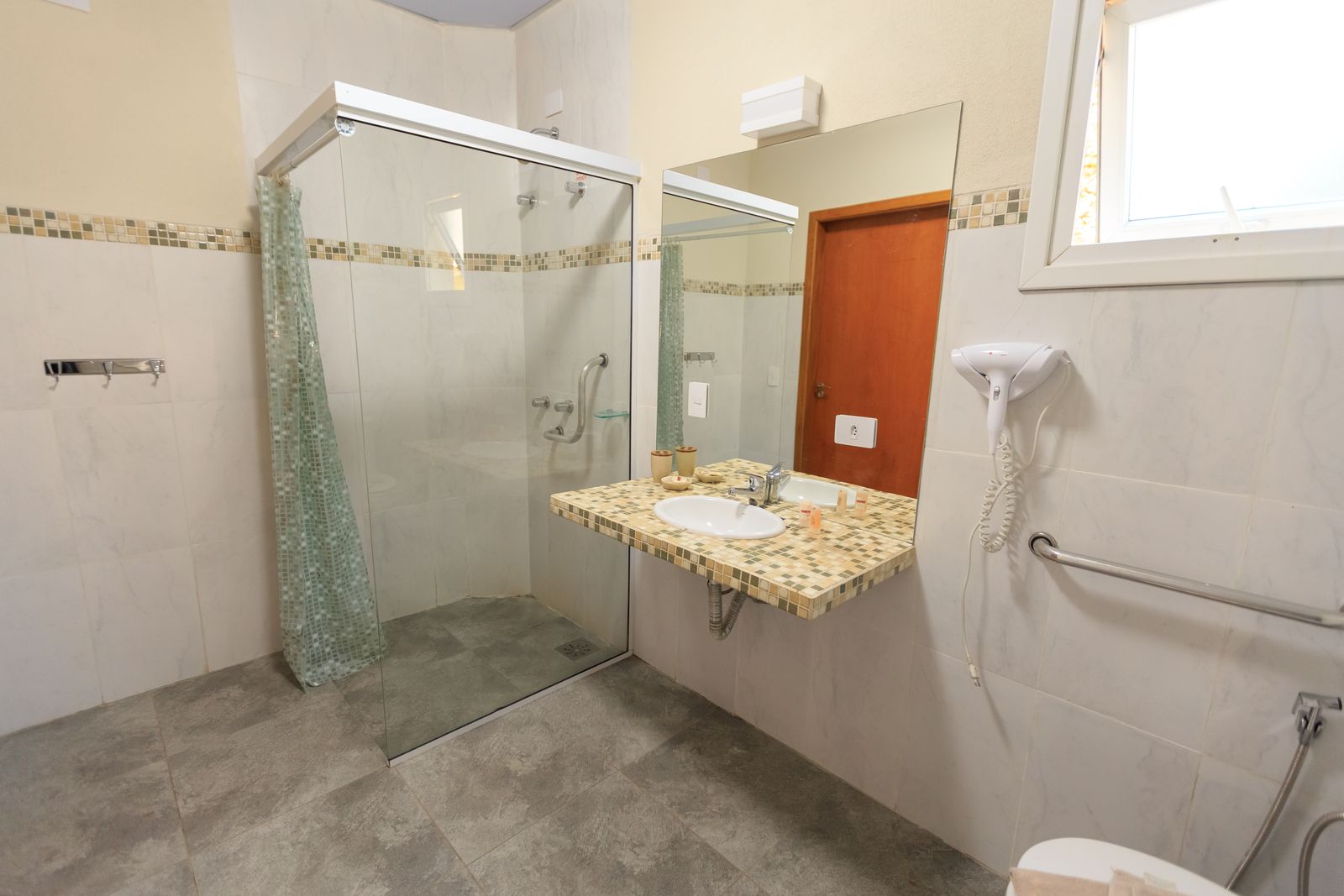
The bathroom is one of the most dangerous rooms in the home for a fall, so the setup matters as much as the help. Bathing safety for seniors begins with the room, not the technique, so before anything else, make the space safe:
- Grab bars by the tub or shower entrance and inside, mounted into studs (a towel bar will not hold).
- A shower chair or bench so your parent can bathe sitting down, which removes the fall risk and the fatigue of standing.
- A handheld showerhead so water can be directed without your parent twisting or reaching.
- Non-slip strips or a rubber mat inside the tub, and a bath mat outside it.
- Safe water temperature. Set the home water heater no higher than 120°F to prevent scald burns, and aim for bathing water around 100°F. Older skin burns faster, and some parents cannot feel how hot the water is.
For the full layout, see our bathroom safety guide, and if stepping over the tub wall has become the real hazard, our honest look at walk-in tubs weighs them against a simpler curbless shower.
How to help an elderly parent bathe with dignity
How you help matters as much as whether the bathroom is safe. The goal is to assist only as much as needed and to guard your parent's modesty at every step:
- Let them do everything they still can. Hand them the washcloth for the parts they can reach. Independence preserved is dignity preserved.
- Keep them covered. Drape a towel over areas you are not washing, and uncover only what you are cleaning at that moment.
- Warm the room first and have towels and clothes ready, so they are never standing cold and exposed.
- Narrate gently what you are about to do ("I'm going to wash your back now") rather than doing things to them silently.
- Go in an order that ends with the most private areas, and be matter-of-fact, not apologetic, which only adds embarrassment.
Treating it as ordinary care, calmly and without fuss, does more for your parent's dignity than anything else.
How to help an elderly parent bathe when they refuse
This is the hardest version of the problem, and it is extremely common, especially with dementia. The most important thing to understand: a refusal to bathe is not stubbornness. There is always a reason, and finding it is how you solve it. Common ones:
- Fear of falling on a slick surface, which feels very real to someone unsteady.
- Feeling cold and exposed, which is uncomfortable and frightening.
- Embarrassment and loss of control, especially being undressed in front of an adult child.
- Sensory overload for someone with dementia: rushing water, a loud fan, echoes in a hard-surfaced room.
- Depression or pain, which sap the will and energy for it.
Once you suspect the reason, the approach softens around it:
- Do not argue or force it. A power struggle guarantees a worse fight next time.
- Reframe the language. Instead of "you need a bath," try "let's freshen up before dinner," or a familiar phrase they would have used themselves.
- Make it inviting: a warm room, soft lighting, maybe quiet music, and the same calm time of day each time so it becomes routine.
- Lower the stakes. Offer a sponge bath instead of a full shower (below), or just washing the hair today and the rest tomorrow.
- Bring in a professional if it helps. Sometimes a parent will accept help from a home health aide that they refuse from their own child, and that is not a failure, it is a smart solution.
If the refusal is new or sudden, tell their doctor, because it can be the first sign of depression, pain, or a cognitive change rather than a preference. For the wider picture when memory is involved, see our guide to caring for a parent with dementia.
The no-rinse sponge bath for elderly parents
You do not need a shower to keep a parent clean. On the days a full bath is too much, a no-rinse sponge bath at the sink keeps hygiene up with far less stress. Sit your parent in a chair, work in warm sections while keeping the rest covered, and use no-rinse cleansers, wipes, or shampoo caps, which clean without water running everywhere. For many families this becomes the everyday method, with a full shower only once or twice a week. It is gentler on the skin, the nerves, and the relationship.
Caring for aging skin
A few habits keep bathing from drying out fragile skin:
- Keep showers short and warm, not hot (five to ten minutes).
- Use a mild, moisturizing, fragrance-free soap, not a harsh deodorant bar.
- Pat dry, do not rub, and moisturize while the skin is still damp.
- Check the skin as you go for redness, sores, or rashes, especially in skin folds and anywhere that stays moist, and tell a nurse or doctor if something is not healing.
The seat, bench and handheld shower head that make a seated shower possible, sized to your parent and the tub, are covered piece by piece in our guide to bathroom safety equipment for seniors.
Frequently Asked Questions
How often should seniors bathe? For most older adults, a full bath or shower two or three times a week is enough, with a daily wash of the face, underarms, and groin in between. Aging skin dries out easily, so daily hot showers can do more harm than good. The exception is incontinence, which needs prompt cleaning.
What do I do when an elderly parent refuses to bathe? Look for the reason rather than forcing it: fear of falling, feeling cold or exposed, embarrassment, sensory overload, or depression. Reframe it gently ("let's freshen up before dinner"), warm the room, offer a sponge bath instead, keep a calm routine, and consider a home health aide. Tell the doctor if the refusal is new.
How do I keep a parent clean without a shower? Use a sponge bath at the sink with no-rinse cleansers, wipes, or a rinse-free shampoo cap. Keep your parent seated and covered except for the area you are washing. This is gentler and often becomes the everyday method between full baths.
What water temperature is safe for an elderly person's bath? Set the water heater no higher than 120°F to prevent scald burns, and aim for bathing water around 100°F. Older skin burns more easily and your parent may not feel how hot the water is, so check it yourself.
A last word
How to help an elderly parent bathe well comes down to holding safety and dignity in the same hand, in a room where both are easy to lose. Make the space safe, assist only as much as needed, keep them warm and covered, and when they refuse, look for the fear underneath instead of pushing through it. And let go of the idea that it must happen daily or perfectly. A safe, gentle wash a couple of times a week, given with patience and respect, is good care, and it protects the relationship as much as the skin. It is one quiet piece of helping a parent keep their comfort and dignity while aging in place.
If you would like someone to listen, you are welcome to write to us.
Sources
- National Institute on Aging, Alzheimer's Caregiving: Bathing, Dressing, and Grooming.
- Family Caregiver Alliance, Bathing (for dementia).
- UCLA Health, Refusal to Bathe: Dementia Caregiver Education.
- Caregiver Action Network, Bathing Tips for Older Adults.